8.-9.10.2026, Berlin
Dialogue between Science and Politics / Focus on Strengthening European Resilience
A small anniversary for the successful event format
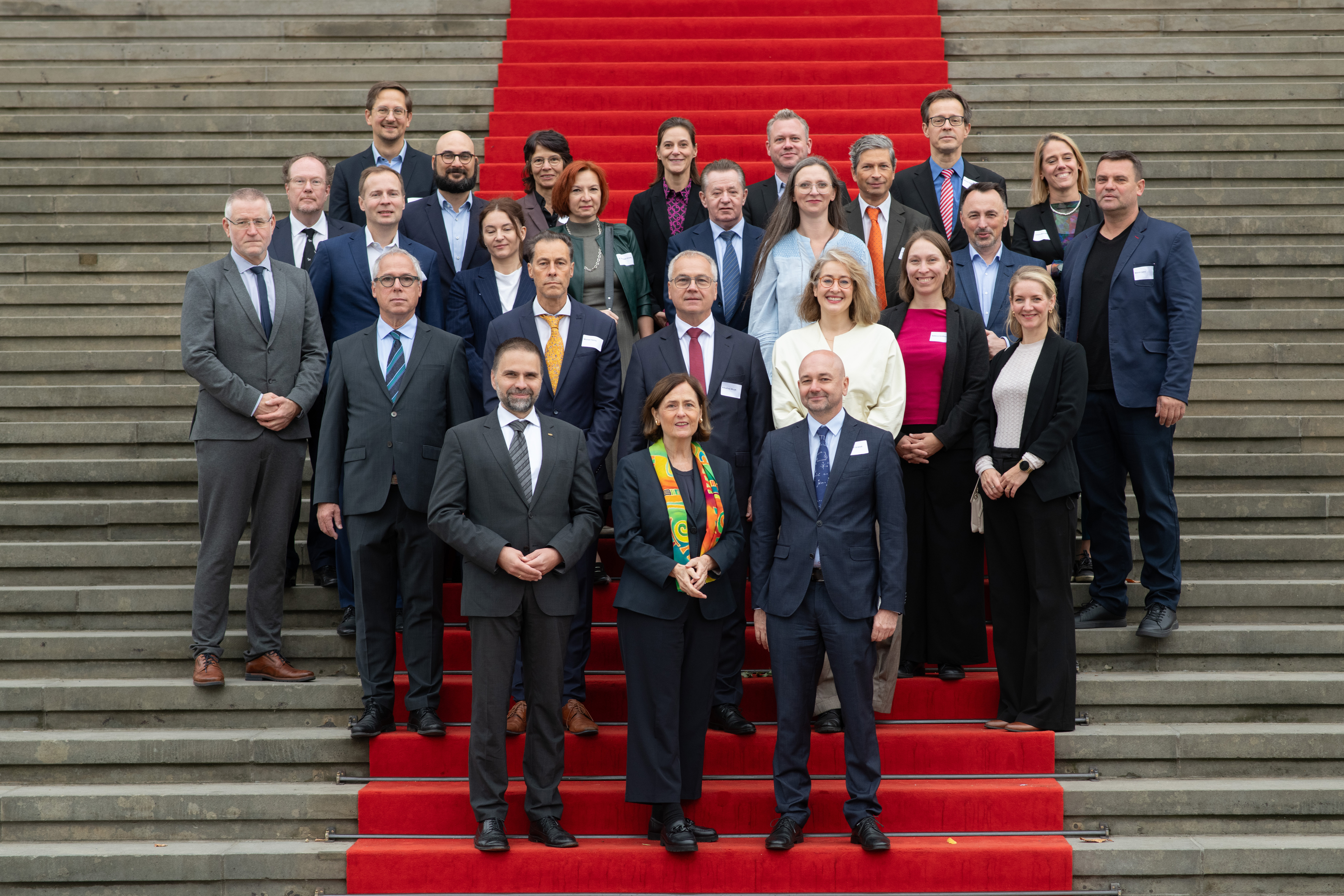
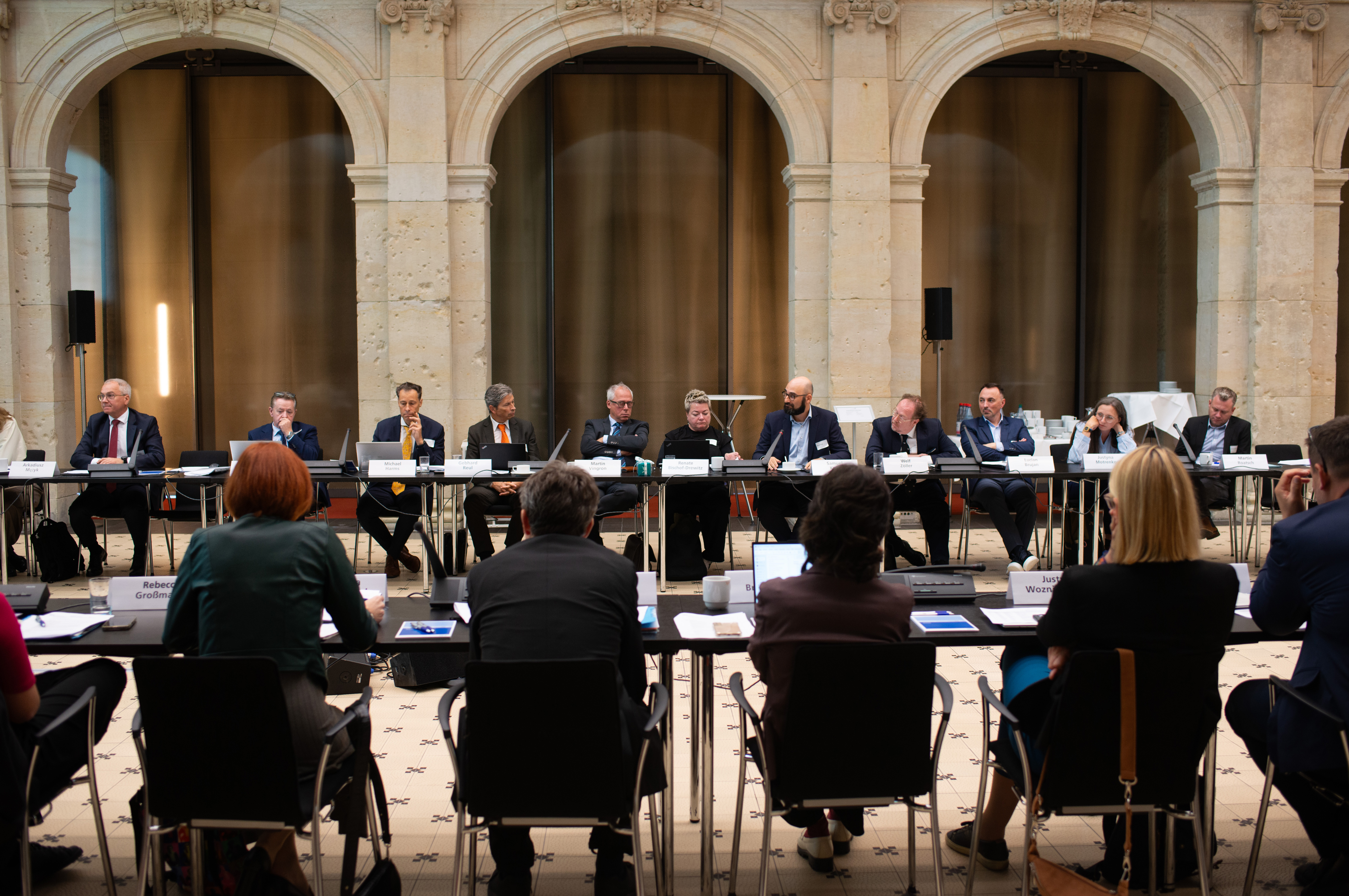
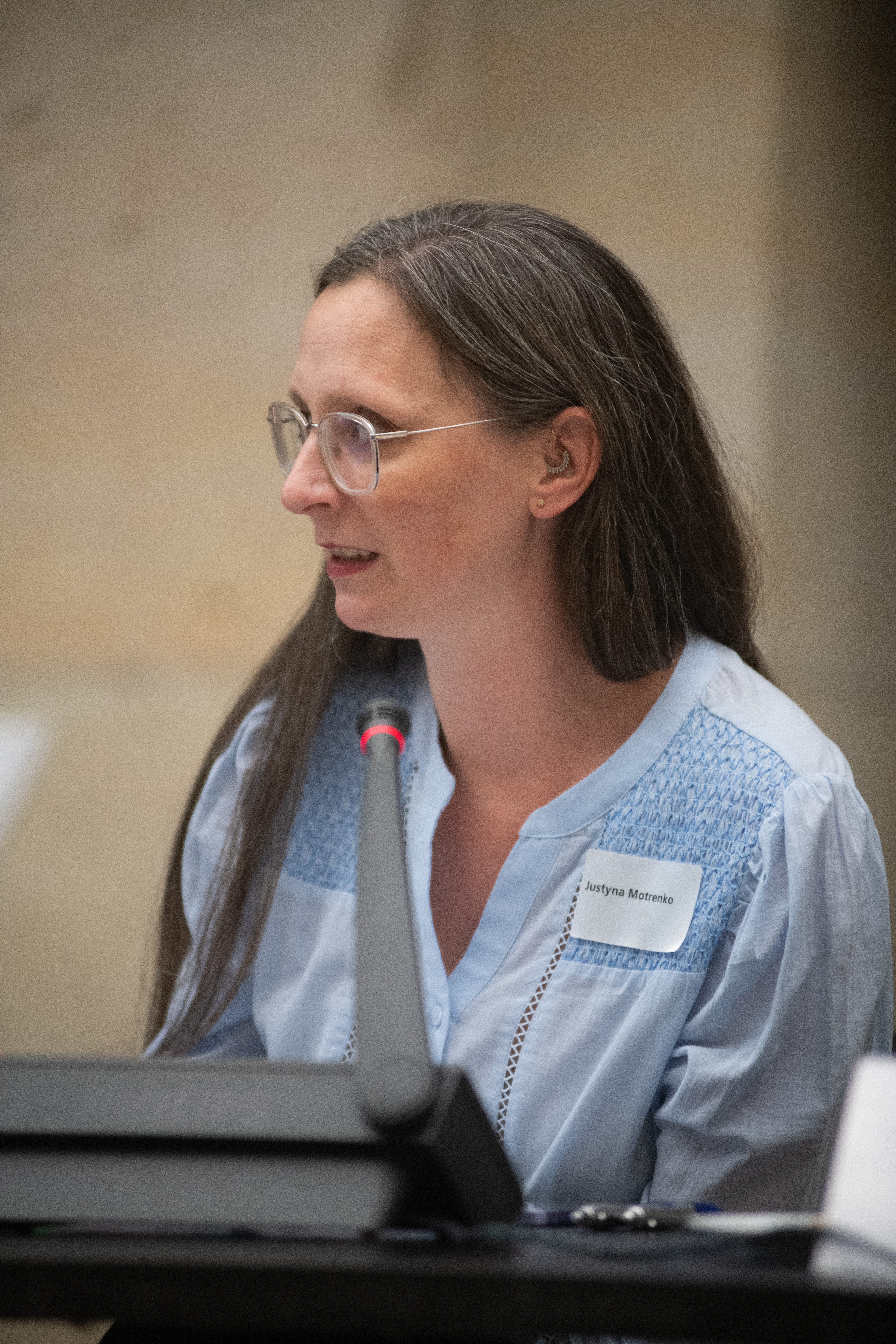
Since the first Polish-German Science Meeting in 2017, the DFG, the FNP and the NCN have regularly invited all public organisations involved in the scientific process in Poland and Germany to take part in an institutional exchange on current topics of mutual interest. This fifth event and small “anniversary celebration” was once again attended by around 50 representatives from 15 scientific organisations in both countries, demonstrating that what began as an exploratory initiative has developed into a successful series of events.
fot. DFG/Gareth Harmer
fot. DFG/Gareth Harmer
fot. DFG/Gareth Harmer
A reflection on existing contributions from Polish and German scientific institutions to science diplomacy
On the occasion of the Council of the European Union’s adaption of the new EU Framework for Science Diplomacy in May, which is intended to forge closer links between scientific cooperation within the EU and foreign and security policy objectives, Polish and German science organisations met to consider the extent to which their current activities and measures already contribute to the topics of the new framework, and how cooperation between the scientific community and policymakers on science diplomacy can be further developed.
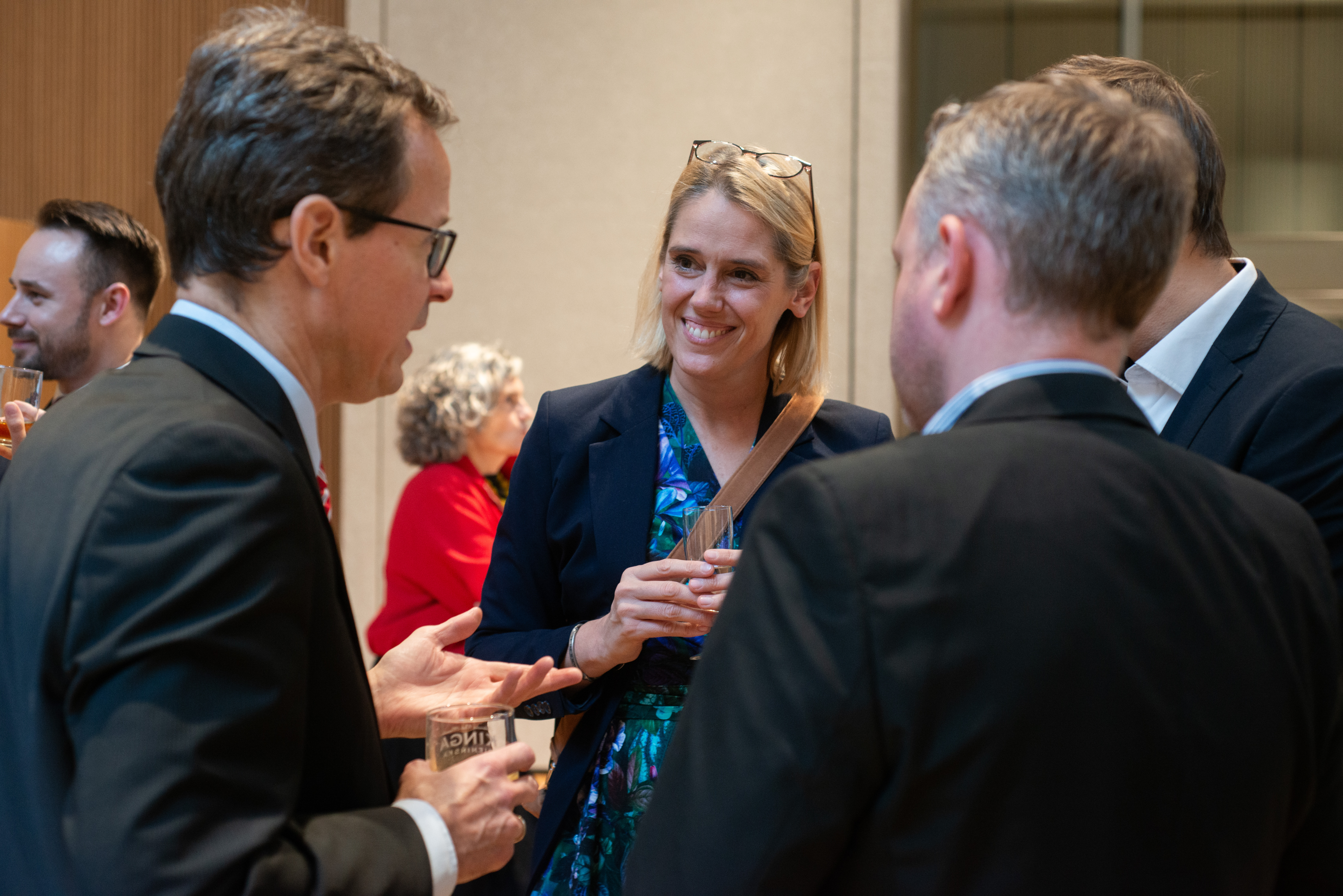
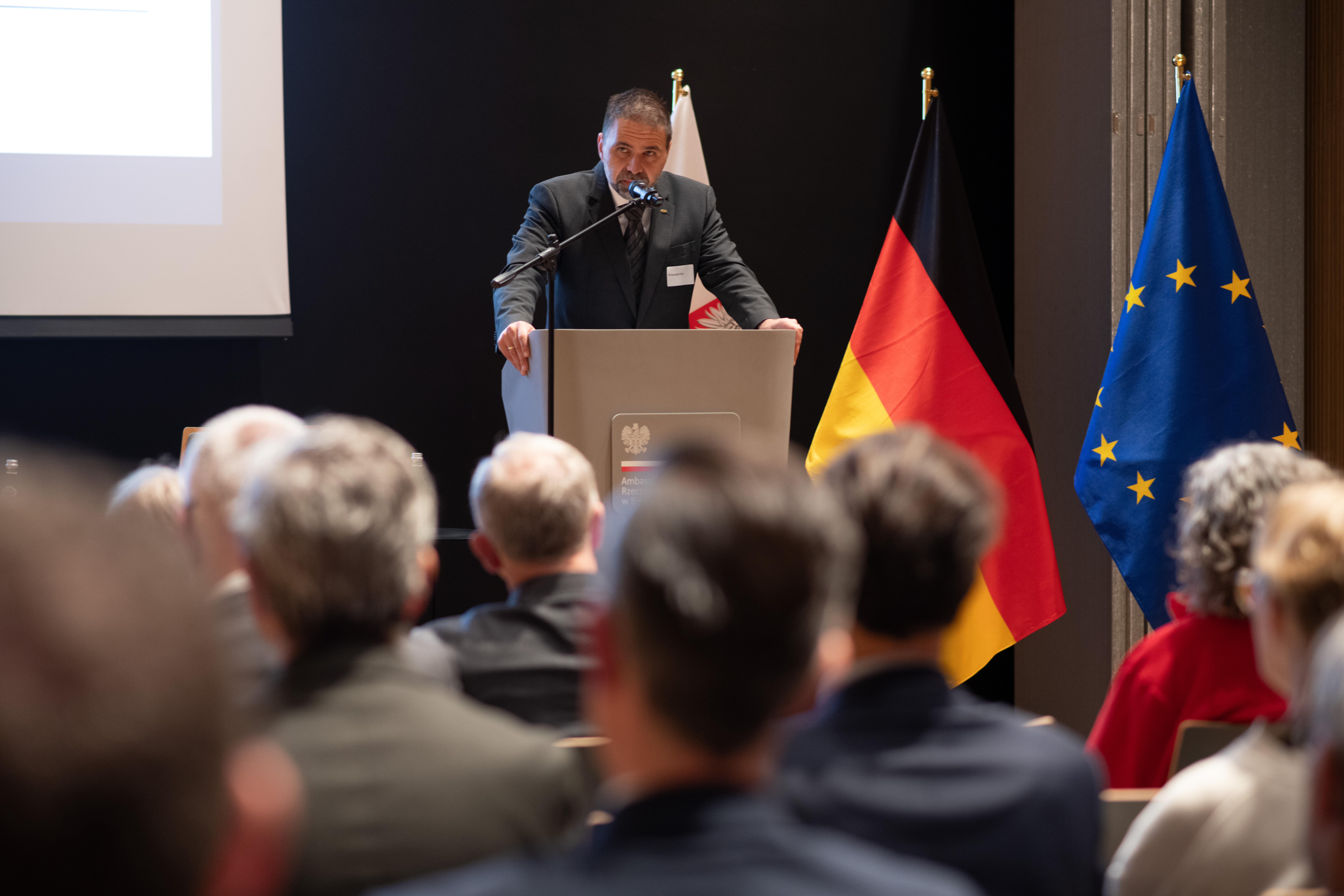
Opening reception at the Polish Embassy in Berlin
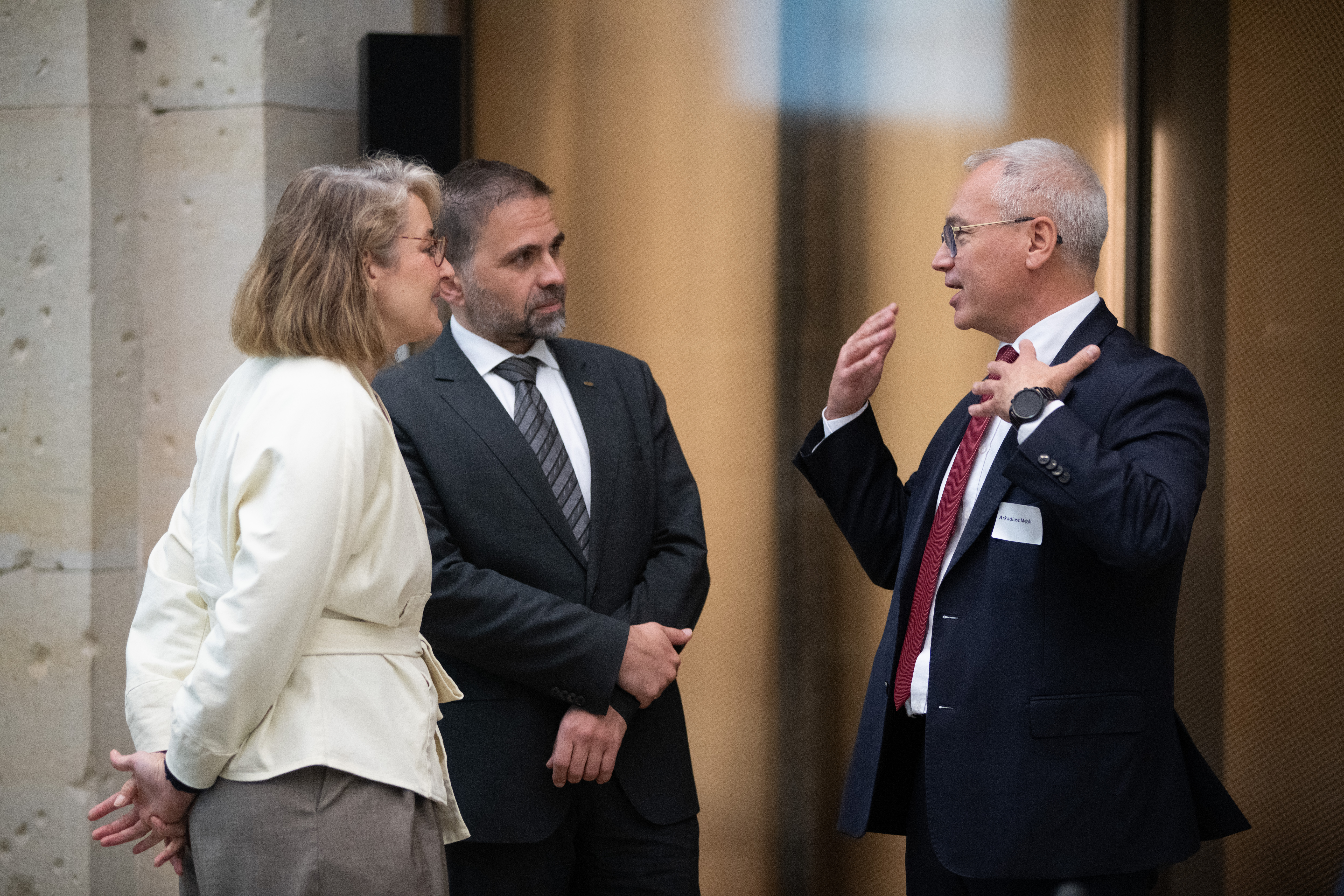
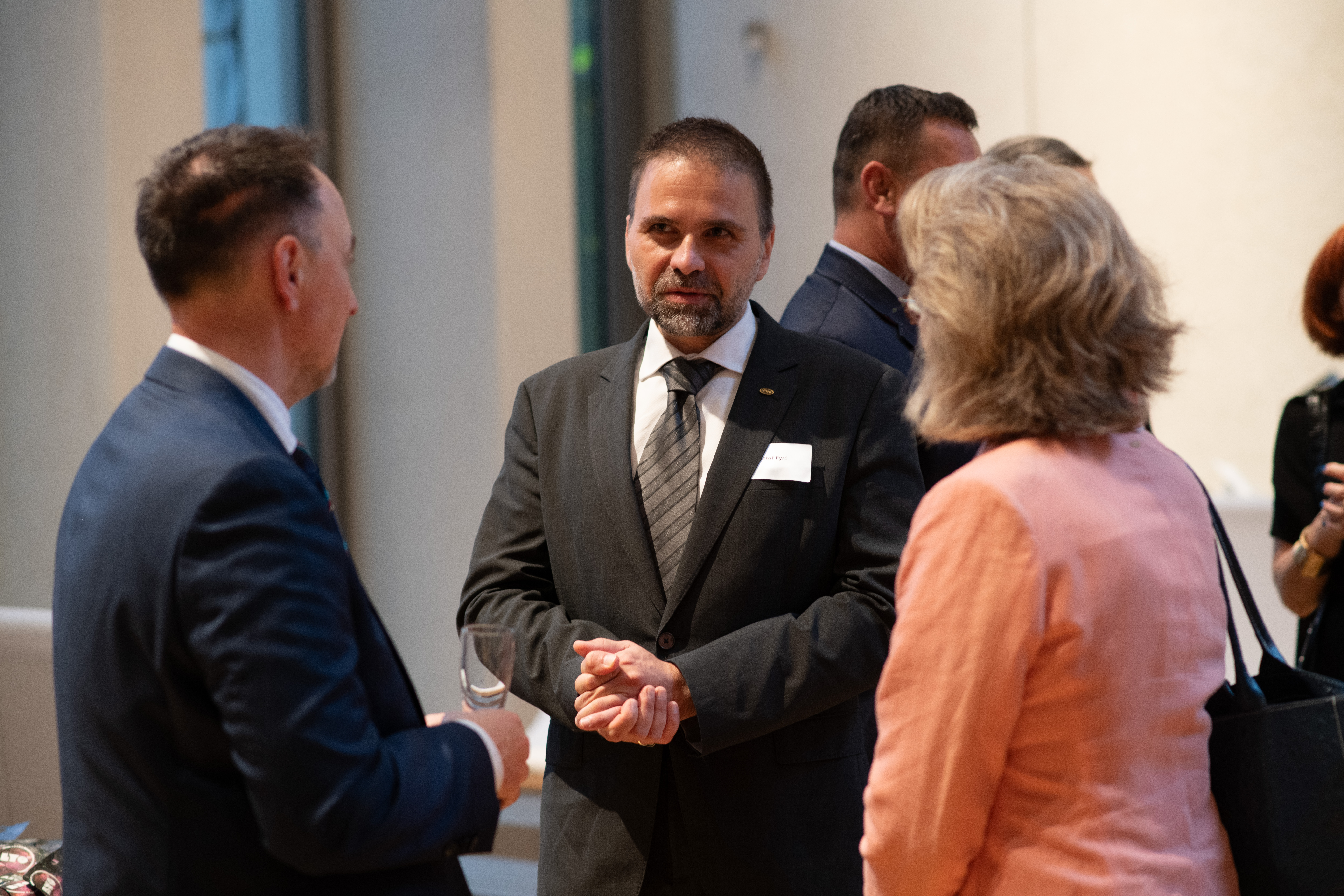
The event kicked off at the representative premises of the Embassy of the Republic of Poland in Berlin and was formally opened with welcoming addresses by the Chargé d’Affaires Jan Tombiński, the presidents of DFG, FNP and NCN, Professor Dr. Katja Becker, Professor Dr. Krzysztof Pyrć and Professor Dr. Krzysztof Jóźwiak, and the Head of the Department for Culture and Communication of the German Federal Foreign Office Dr. Sonja Kreibich. This was followed by an introductory presentation on the new EU framework by Dr. Jan Marco Müller, Team Leader Global Approach, Multilateral Dialog and Science Diplomacy at the General Directory Research and Innovation of the European Commission. Finally, Professor Dr. Maria Rentetzi, Chair EU Science Diplomacy Alliance, led a panel discussion with representatives from the higher education and research ministries of Poland and Germany, Undersecretary of State Professor Dr. Andrzej Szeptycki and State Secretary Dr. Marcus Pleyer, the Research Attachée of the Permanent Representation of Poland to the EU Magdalena Kula, and further representatives from the Polish and German research communities, on the national implementation of the new EU Framework for Science Diplomacy and its meaning for scientists. The discussion showed quickly that there is not a single or simple definition of science diplomacy, and that science could serve as a tool to support diplomacy, due to its international and problem-solving orientation, just as it would need further support and protection from diplomacy to do so. This would require a more effective dialogue between science and politics that also involves other stakeholders at national and international levels.
Further discussions at the Berlin-Brandenburg Academy of Sciences and the Humanities
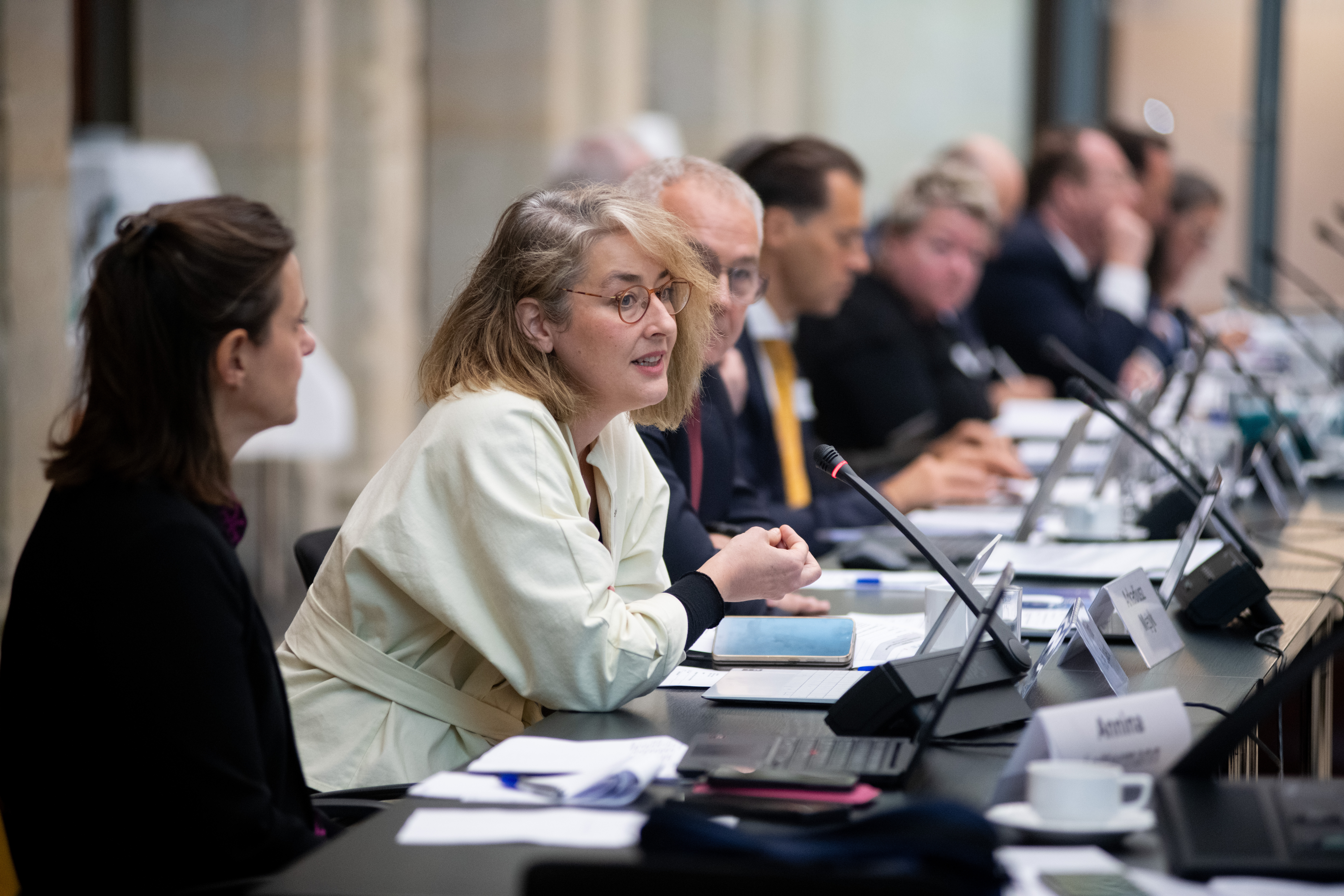
The following day, the Polish and German scientific organisations continued their bilateral institutional exchange at the Berlin-Brandenburg Academy of Sciences and the Humanities. Focusing on three topics closely linked to the new EU framework for science diplomacy – strengthening scientific excellence, dealing with security-related research, and opportunities for science-related cooperation under strained political circumstances – representatives from the Alexander von Humboldt Foundation, the German Academic Exchange Service, the DFG, the German-Polish Science Foundation (DPWS, Deutsch-Polnische Wissenschaftsstiftung), the Fraunhofer and the Max Planck Society, the Leibniz Association, the German Rectors’ Conference, the German National Academy of Sciences Leopoldina, as well as the FNP, the NCN, the Polish National Agency for Academic Exchange, the Conference of Rectors of Academic Schools in Poland, the Polish Academy of Sciences and the General Council for Science and Higher Education in Poland exchanged views on existing measures and practices. All organisations and institutions participating in the meeting contributed to the discussions by providing their own input drawn from their institutional actions. A significant part of this meeting was also devoted to an exchange on ongoing activities and further measures to support Ukraine. Key takeaway messages from the discussions were: Stability and scientific excellence in Europe go hand in hand. Long-term funding programmes and new, Europe-wide instruments for basic research would be needed to maintain the EU’s competitiveness.
Furthermore, comprehensive, knowledge-based, support structures would be necessary to manage security-related research and to act safely in challenging geopolitical contexts. In this regard, and to further support the Ukrainian scientific system, the exchange of experience between partners in Central and Eastern Europe proved to be particularly important. Finally, a change in communication style would be useful to improve dialogue between the scientific community and policymakers on science diplomacy on the one hand and continue to address broader questions relating to dual use on the other hand..
The bilateral institutional dialogue once again demonstrated how important mutual exchange and cooperation between Polish and German scientific stakeholders are for resilience in Europe and for the successful shaping and practice of science diplomacy. The next Polish-German Science Meeting is planned to take place in Poland in 2028.
fot. DFG/Gareth Harmer
fot. DFG/Gareth Harmer
The Polish-German Science Meeting is organised jointly by the DFG, the FNP and the NCN. It has been held regularly every 1.5 to 2 years since 2017 as a forum for discussion between all major public science organisations in both countries, taking place alternately in Poland and Germany. The aim of the series is to facilitate an exchange on topics of current mutual interest, with a view to fostering bilateral relations and strengthening joint action in Europe.
All participating organisations of the Fifth Polish-German Science Meeting
Alexander von Humboldt Foundation
German Research Foundation (DFG, Deutsche Forschungsgemeinschaft)
German-Polish Science Foundation (DPWS, Deutsch-Polnische Wissenschaftsstiftung)
Fraunhofer Society
German Academic Exchange Service
German National Academy of Sciences Leopoldina
German Rectors’ Conference
Leibniz Association
Max Planck Society
Conference of Rectors of Academic Schools in Poland
Foundation for Polish Science
National Science Centre Poland
Polish Academy of Sciences
Polish National Agency for Academic Exchange
General Council for Science and Higher Education in Poland